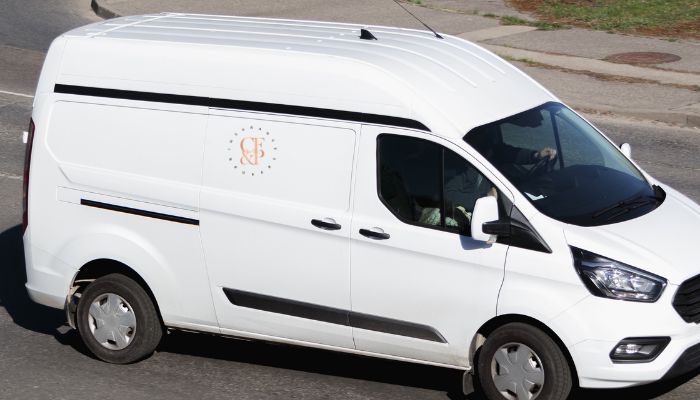
For many small businesses in California, vehicles are essential to daily operations. Whether you run a contracting company, delivery service, real estate firm, or mobile service business, the right commercial auto insurance for small businesses can protect you from costly accidents, liability claims, and unexpected disruptions.
Choosing the right policy isn’t just about meeting legal requirements; it’s about safeguarding your employees, vehicles, and financial future. Here’s a practical guide to help California small businesses make informed decisions.
Commercial auto insurance provides coverage for vehicles used for business purposes. Unlike personal auto policies, it accounts for higher risks associated with business use, multiple drivers, and specialized vehicles.
In California, commercial auto insurance typically helps cover:
According to the California Department of Motor Vehicles (DMV), businesses using vehicles for commercial purposes must meet specific liability insurance requirements.
Before choosing coverage, assess how your vehicles are used:
The answers determine the level and type of commercial auto insurance for a small business you’ll need.
In California, businesses that use vehicles for work purposes are legally required to carry liability insurance. While meeting these minimum requirements keeps your business compliant, they often don’t reflect the true cost of today’s accidents, repairs, medical expenses, or legal claims.
Guidance from state and federal agencies shows that relying solely on minimum limits can leave business owners financially exposed. Organizations such as the U.S. Small Business Administration consistently highlight the importance of selecting coverage limits that better align with real-world risk, especially for businesses that operate vehicles regularly or carry valuable equipment.
For many small businesses, higher liability limits offer stronger protection for company assets, employees, and long-term operations.
A well-structured commercial auto policy may include:
Selecting the right combination ensures your small business isn’t exposed to unnecessary risk.
Not all businesses face the same exposure. For example:
An independent insurance agency can help tailor coverage based on your industry rather than offering a one-size-fits-all policy.
Choosing the right policy can be overwhelming. That’s where CF&P Insurance Brokers, an independent insurance agency in Walnut Creek, CA, adds value.
Unlike captive agents, independent brokers:
This personalized approach helps small businesses secure coverage that fits both their budget and risk profile.
Your commercial auto insurance should evolve as your business changes. Review your policy annually or when:
Regular reviews help ensure continued compliance and protection.
Accidents happen when you least expect them, and without proper coverage, a single claim can seriously impact your business. Choosing the right commercial auto insurance for a small business is a smart investment in long-term stability.
If you’re unsure whether your current policy provides adequate protection, contact us today to review your options with CF&P Insurance Brokers. Their experienced team will help you compare coverage, manage costs, and stay compliant with California regulations.
Call (925) 956-7700 to speak with a local insurance expert who understands the needs of California small businesses.
Read also:- Commercial Auto Insurance: Does It Cover Personal Use?
Yes. California law requires liability coverage for vehicles used for business purposes.
Generally no. Most personal policies exclude business-related driving.
Hired and non-owned auto coverage can help protect your business in these situations.
Coverage depends on vehicle use, industry risk, and asset exposure—state minimums are often insufficient.