The best way for California employers to reduce workplace injuries during the holiday season is to plan for the rush before it arrives: train seasonal hires on day one, control crowds and clutter, schedule to limit fatigue, and know exactly what to do when someone gets hurt. Those steps protect your people first. They also help keep your claims history and the cost of your Workers’ Compensation Insurance California coverage under control as you head into the new year.
November and December change how many businesses operate. Retail floors get crowded, warehouses run extra shifts, delivery drivers cover more stops, and restaurants and caterers book back-to-back events. New faces join the team, often with little time to learn the job. That combination of speed, volume, and inexperience is exactly when injuries tend to happen.
Several seasonal pressures stack up at once:
California requires every employer to maintain an Injury and Illness Prevention Program (IIPP) under Title 8, Section 3203. The regulation calls for training “to all new employees” and to employees “given new job assignments for which training has not previously been received.” Seasonal hires count.
Keep holiday onboarding short and practical. Walk new workers through the specific tasks they will do, show them where emergency exits and first-aid supplies are, explain how to report a hazard or injury, and pair them with an experienced employee for their first few shifts.
Your IIPP should reflect how your business actually runs in December, not just in a typical month. If you are adding a night shift, a pop-up location, or new equipment, the regulation expects you to identify and address those new hazards.
Most California employers must also maintain a written Workplace Violence Prevention Plan under Labor Code Section 6401.9, which became enforceable on July 1, 2024. Cal/OSHA’s workplace violence prevention page outlines what the plan must include. Holiday crowds and customer frustration make this a good time to confirm employees know the procedures and have been trained.
For retailers, federal OSHA’s crowd management guidance recommends planning staffing for major sales events, setting up barricades or rope lines well in advance, spreading popular sale items across the store, and limiting entry once you reach maximum occupancy. It also stresses keeping exits accessible and unlocked.
Even outside of big sales, keep aisles clear, restock during slower hours when possible, and assign someone to monitor entrances and checkout lines at peak times.
Rainy weather, tracked-in water, extra merchandise, and holiday decorations all add up. Place mats at entrances, clean spills right away, keep cords and boxes out of walkways, and keep stockrooms organized. When employees hang decorations or reach high shelves, provide proper step ladders and remind them not to stand on chairs, boxes, or shelving.
Higher volume means more lifting, carrying, and repetitive motion. Encourage team lifts for heavy items, provide carts and hand trucks, store heavier stock at waist height, and rotate tasks so the same employees don't lift all day. A quick refresher on safe lifting at the start of the season can go a long way.
Tired workers make more mistakes. Build schedules that allow adequate rest between shifts, limit back-to-back doubles, and make sure meal and rest breaks actually happen during the rush. Supervisors should feel comfortable pulling someone off a task if they seem exhausted or distracted.
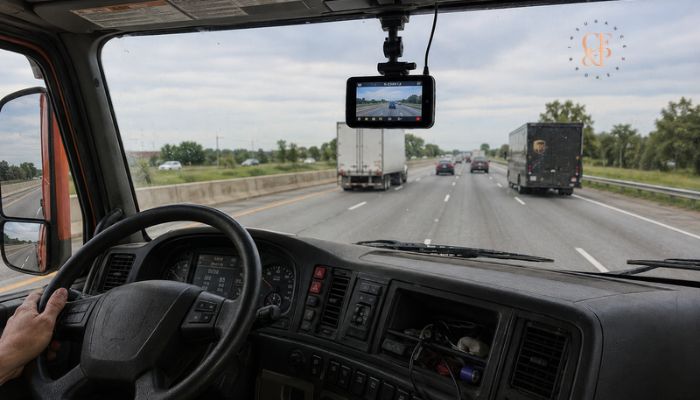
If employees drive for work, whether in company vehicles or their own cars, review safe driving expectations before the season starts. Set realistic delivery routes, discourage phone use while driving, check vehicle tires and wipers, and give drivers permission to slow down in bad weather. Business auto exposure is a separate issue from workers’ comp, so it is worth confirming your commercial auto coverage fits your seasonal operations too.
Prevention reduces risk, but it does not eliminate it. Knowing the steps ahead of time helps the injured employee get care quickly and keeps the claim on track.
All California employers with one or more employees must provide workers’ compensation benefits under Labor Code Section 3700, and that includes part-time and seasonal staff. Claims from a busy season do not disappear in January. Over time, your claims history feeds into your experience modification rate (EMR), which can influence what you pay for coverage. Our guide to reducing your workers’ compensation EMR score explains how that works.
That is why seasonal safety planning is also a cost-control strategy. Fewer and less severe claims can support a healthier EMR and stronger conversations with carriers at renewal.
As a third-generation, family-owned independent agency serving Northern California since 1937, CF&P Insurance Brokers helps employers review their workers’ compensation coverage, claims trends, and classification codes. Because we work with more than 40 carriers, we can help you compare options and find coverage that fits how your business really operates, including during your busiest months.
A busy season should be a good season for your business and your employees. Call CF&P Insurance Brokers today at (925) 956-7700 to review your Workers’ Compensation Insurance California coverage and talk through practical ways to protect your team and your bottom line. You can also contact us online or get a free quote.
Also read: Hidden Costs of Workplace Injuries & Compensation
Generally, yes. California requires employers with one or more employees to provide workers’ compensation benefits. If you use a staffing agency, coverage responsibility may depend on your agreement, so confirm it with your broker before the season starts.
Slips, trips, and falls, lifting and overexertion injuries, and vehicle-related incidents are common concerns during busy seasons, especially in retail, warehousing, delivery, and food service.
California’s Division of Workers’ Compensation says employers must provide the claim form within one working day after the injury or illness is reported.
They can. Claims become part of your loss history, which can affect your experience modification rate and, in turn, future premiums. Strong safety practices and prompt claim handling may help limit that impact.